

Where Brand Identity Meets Interior Design: Creating Cohesive Business Experiences
In today’s competitive landscape, a brand is no longer confined to a logo, color palette, or website, it’s an experience. For businesses with physical spaces, that experience extends into the built environment. The intersection of brand identity design and interior design is where strategy meets space, and where businesses have the opportunity to turn customers into loyal advocates.
Beyond the Logo: What Brand Identity Really Means
Brand identity is often misunderstood as purely visual. While elements like typography, color, and logo design are important, a true brand identity encompasses how a business feels. It communicates values, personality, and purpose.
Interior design plays a critical role in bringing that identity to life. When customers walk into a space, they immediately form impressions based on lighting, materials, layout, and atmosphere, often before interacting with staff or products.
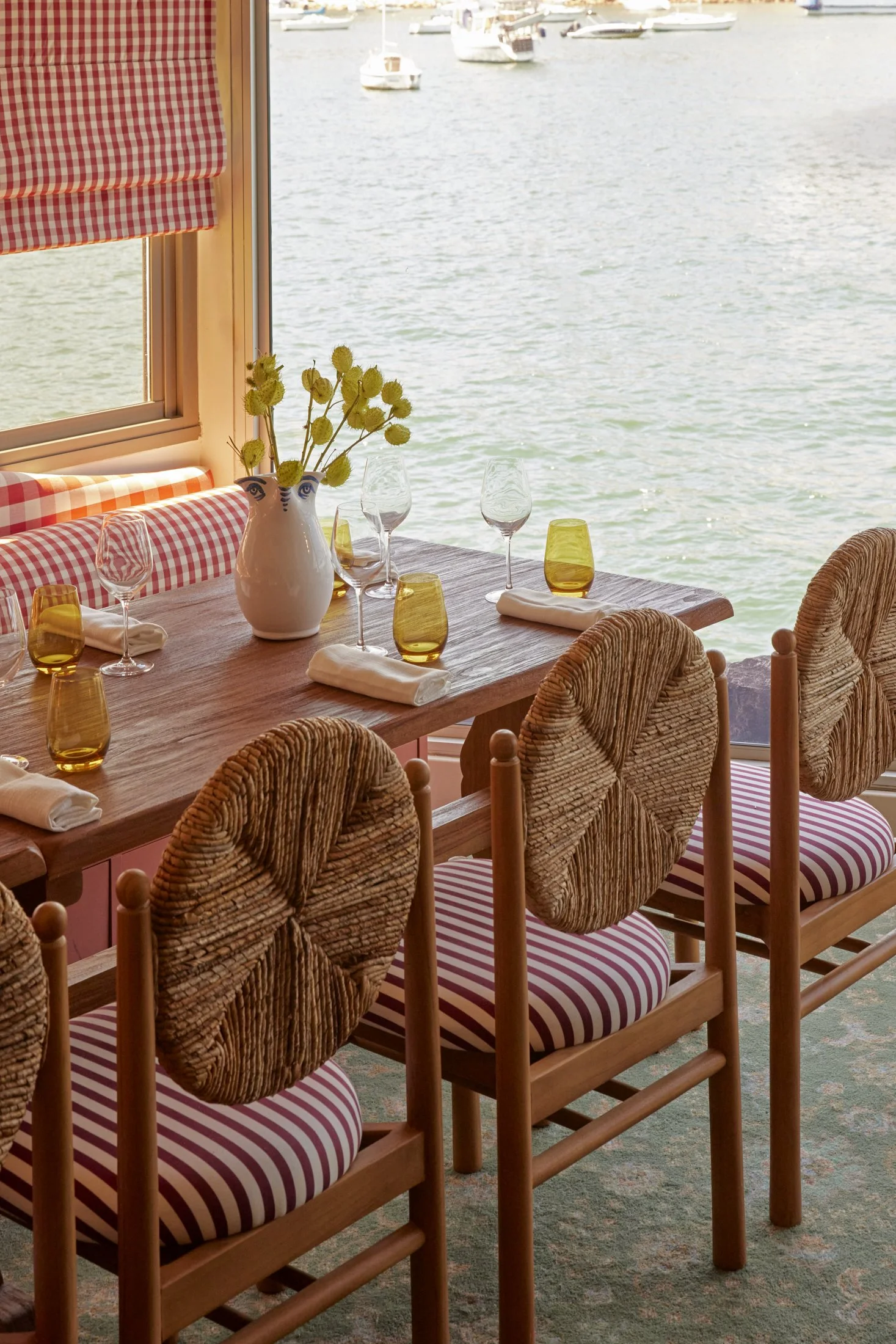
The Physical Space as a Brand Touchpoint
Every interaction a customer has with a business contributes to their perception of the brand. A thoughtfully designed interior becomes one of the most powerful touchpoints.
Consider how different environments communicate different brand messages:
A minimalist, neutral-toned space signals sophistication and calm
Bold colors and dynamic layouts convey energy and creativity
Warm lighting and natural textures evoke comfort and authenticity
When interior design aligns with brand identity, it reinforces messaging in a way that feels intuitive and immersive.
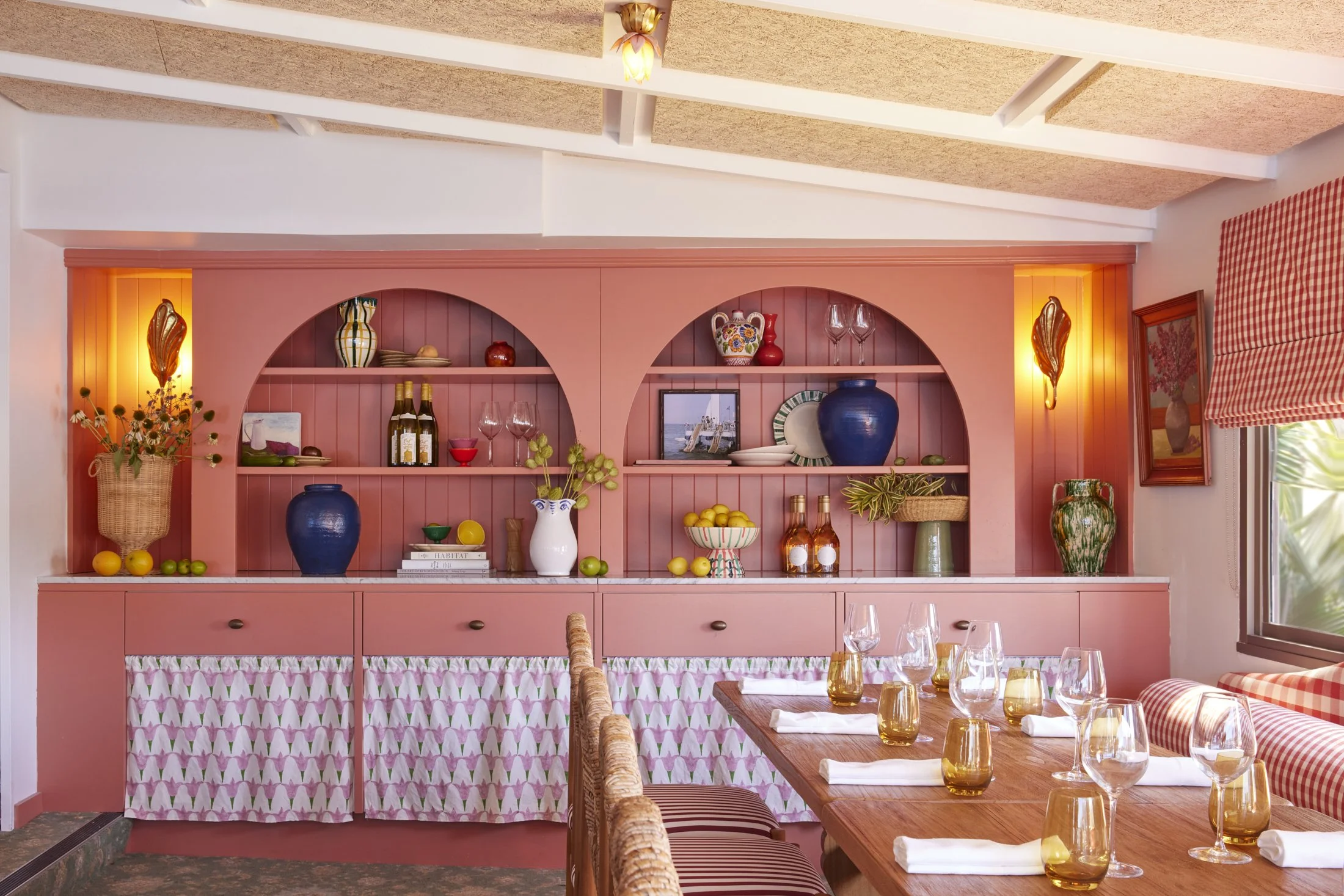
Creating Consistency Across Channels
Strong brands are consistent across every platform, digital, physical, and experiential. The challenge (and opportunity) lies in translating a 2D brand system into a 3D environment.
This can be achieved through:
Color continuity: Extending brand colors into walls, furniture, and accents
Material selection: Choosing textures that reflect brand personality (e.g., industrial metal vs. soft textiles)
Typography in space: Using signage, wayfinding, and environmental graphics
Spatial storytelling: Designing layouts that guide customers through a branded journey
Consistency builds trust. When a space feels like a natural extension of a brand’s digital presence, it strengthens recognition and credibility.
Designing for Emotion and Behavior
Interior design doesn’t just reflect a brand, it influences how people behave within a space.
For example:
Retail stores can guide customer flow to encourage exploration and purchases
Restaurants can use lighting and layout to affect how long guests stay
Offices can foster collaboration or focus, depending on spatial design
When paired with brand strategy, these design decisions become intentional tools for shaping customer experience.
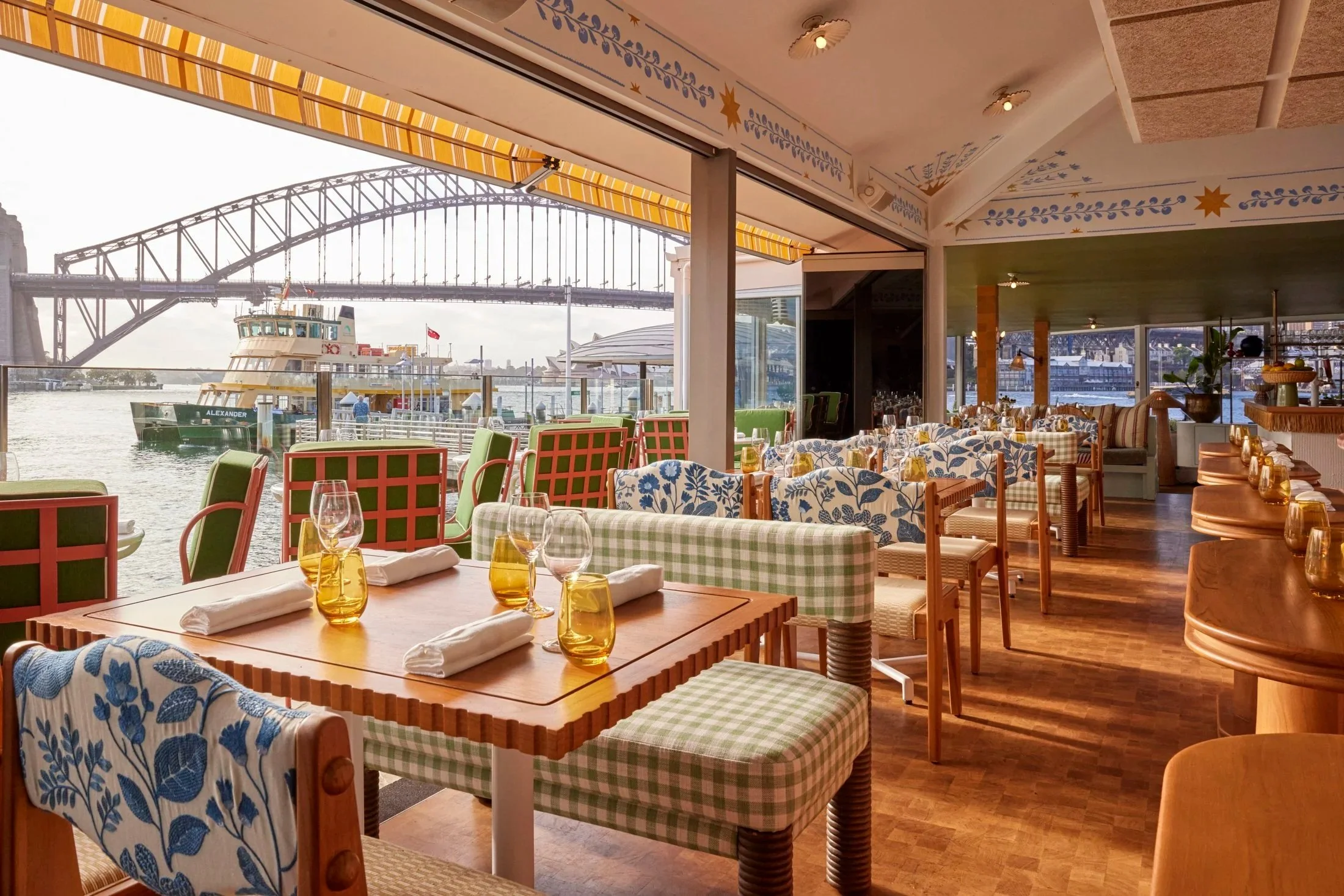
Case for Integration: Why It Matters for Businesses
Businesses that integrate brand identity and interior design gain a competitive edge. Instead of fragmented experiences, they create cohesive environments that are memorable and meaningful.
Benefits include:
Stronger brand recognition
Increased customer engagement
Higher perceived value
Improved customer loyalty
In an era where experience often outweighs product, the environment itself becomes part of what a business sells.
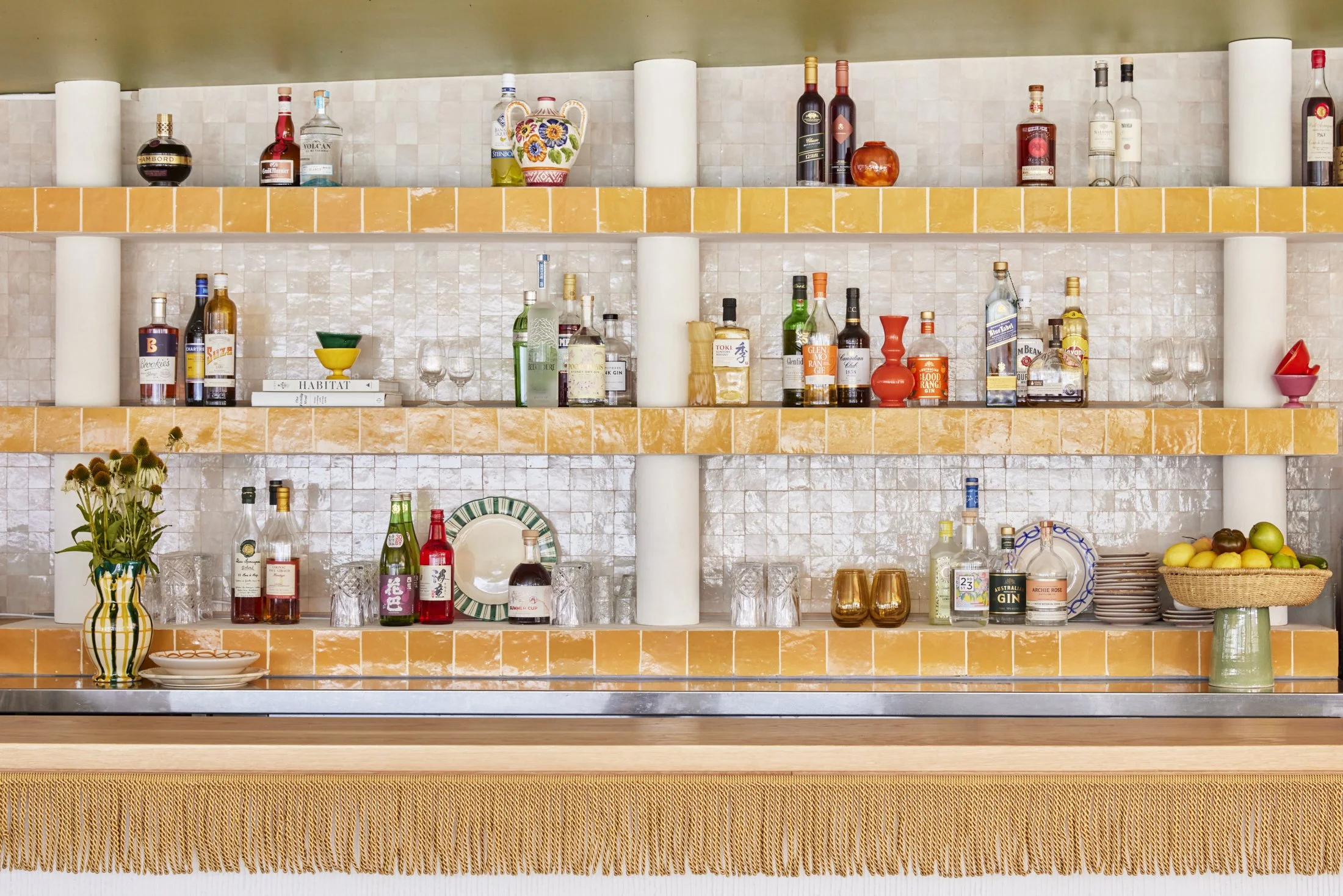
The Future of Branded Spaces
As consumer expectations continue to evolve, the line between branding and environment will only blur further. Businesses will need to think holistically, considering how every detail, from digital ads to physical interiors, contributes to a unified identity.
For designers and marketers alike, this intersection presents an exciting opportunity: to not just design visuals or spaces, but to craft experiences.
At the end of the day, a brand is not just what people see, although that is important. It is what they feel, and in a business setting, interior design is one of the most powerful ways to bring those feelings to life.
x Sunday Morning Studio